
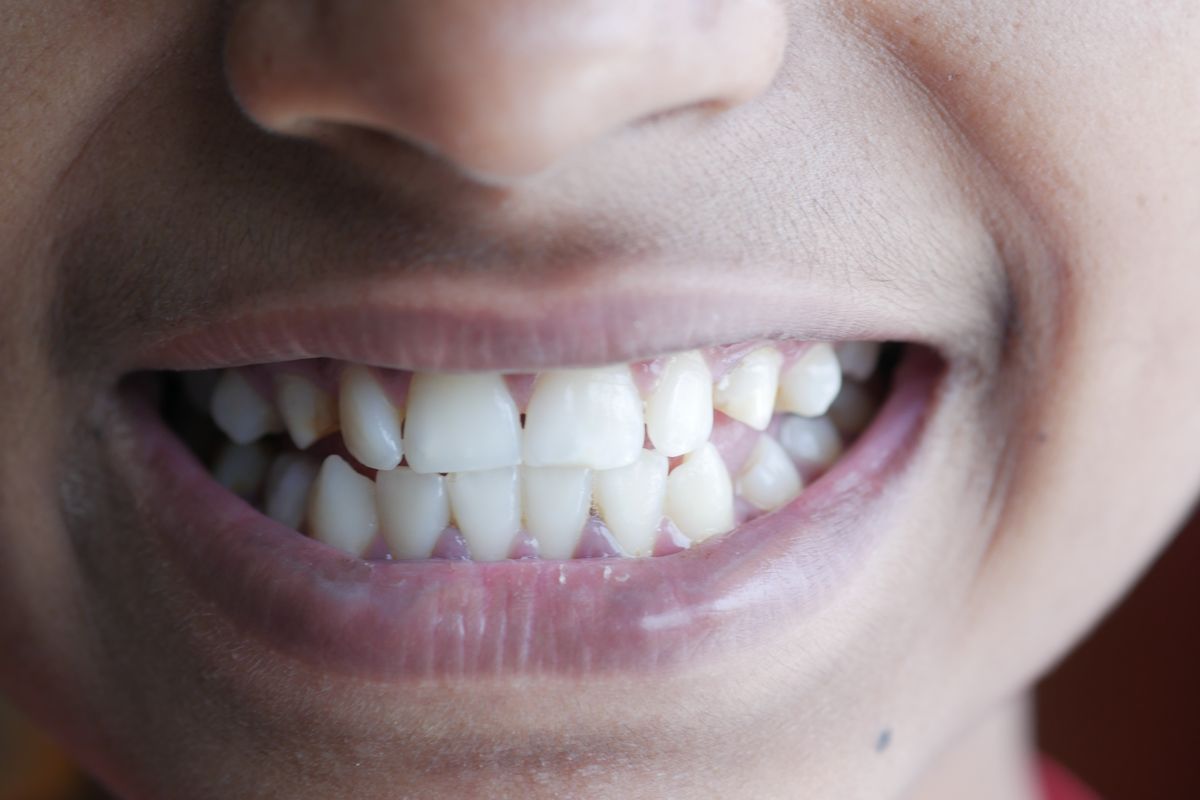
As a biology teacher, enamel still amazes me. It is the hardest stuff your body makes, and once it is gone, your body does not grow it back like a scraped knee.
So what is the honest answer?
Enamel erosion is quiet at first: more sensitivity, dull edges, and teeth that look a little glassy.
Watch for cold sensitivity, cupped biting surfaces, yellowing near the gumline, and front teeth that look translucent at the edges. Acid is the usual driver: soda, citrus, reflux, sports drinks, and frequent snacking.
The part people usually miss
Rinse after acid, wait before brushing, use fluoride toothpaste, and ask about a prescription fluoride if sensitivity is rising. The earlier you act, the less dramatic the fix.
My rule is boring and useful: change one thing, watch what happens, and stop if your mouth gets irritated. Teeth respond better to steady habits than to panic routines before weddings, photos, or dentist appointments.
How I would handle it this week
- Take a baseline photo in bathroom lighting you can repeat.
- Keep brushing gentle at the gumline, soft bristles only.
- Do not stack three new products at once, because then you cannot tell what helped or hurt.
Related reading: this guide and this review or article both go deeper on the practical side.