
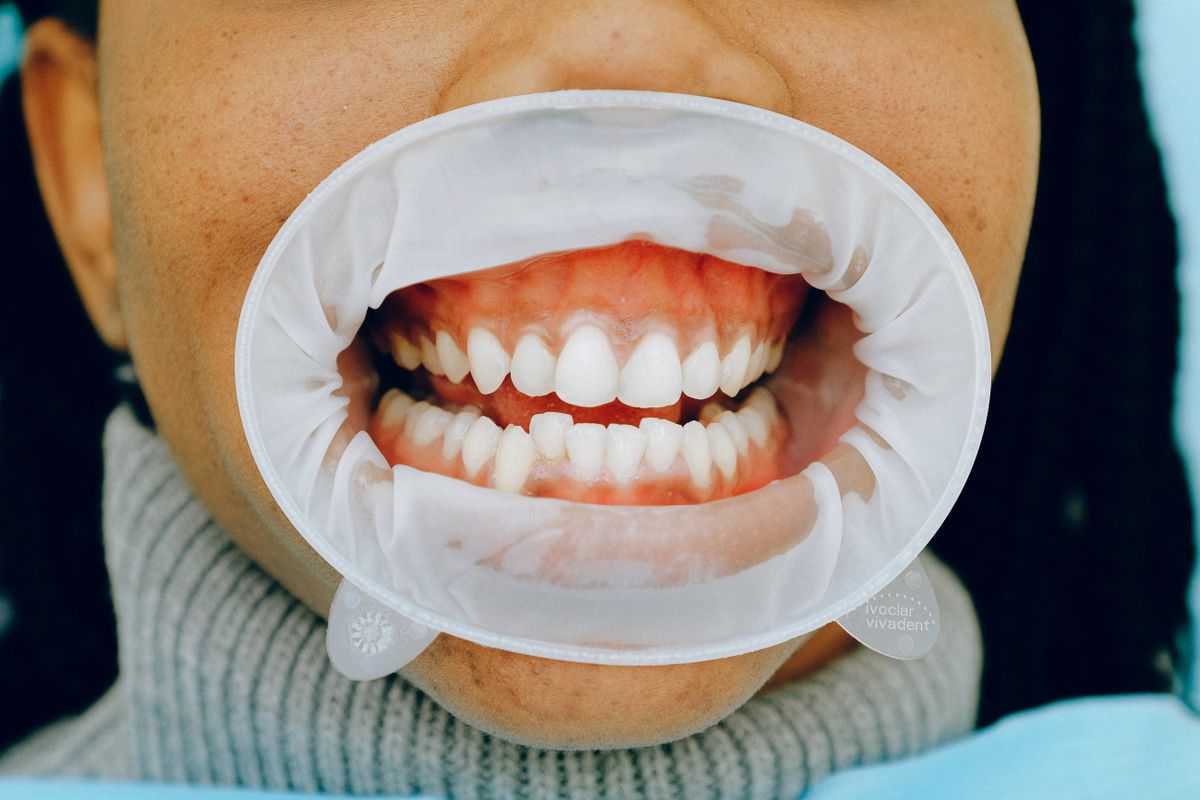
Gum disease does not usually arrive with a trumpet. It sneaks in as little things you can explain away after a rushed morning.
So what is the honest answer?
Early gum disease is often quiet: bleeding, puffiness, bad taste, and gums that look shiny.
Look for pink on floss, tender gum edges, persistent bad breath, receding gums, and tartar near the lower front teeth. These signs mean inflammation has been hanging around.
The part people usually miss
Brush the gumline gently, floss daily, and book a cleaning if it has been more than six months. Early gingivitis can improve. Waiting makes the fix harder.
My rule is boring and useful: change one thing, watch what happens, and stop if your mouth gets irritated. Teeth respond better to steady habits than to panic routines before weddings, photos, or dentist appointments.
How I would handle it this week
- Take a baseline photo in bathroom lighting you can repeat.
- Keep brushing gentle at the gumline, soft bristles only.
- Do not stack three new products at once, because then you cannot tell what helped or hurt.
Related reading: this guide and this review or article both go deeper on the practical side.