
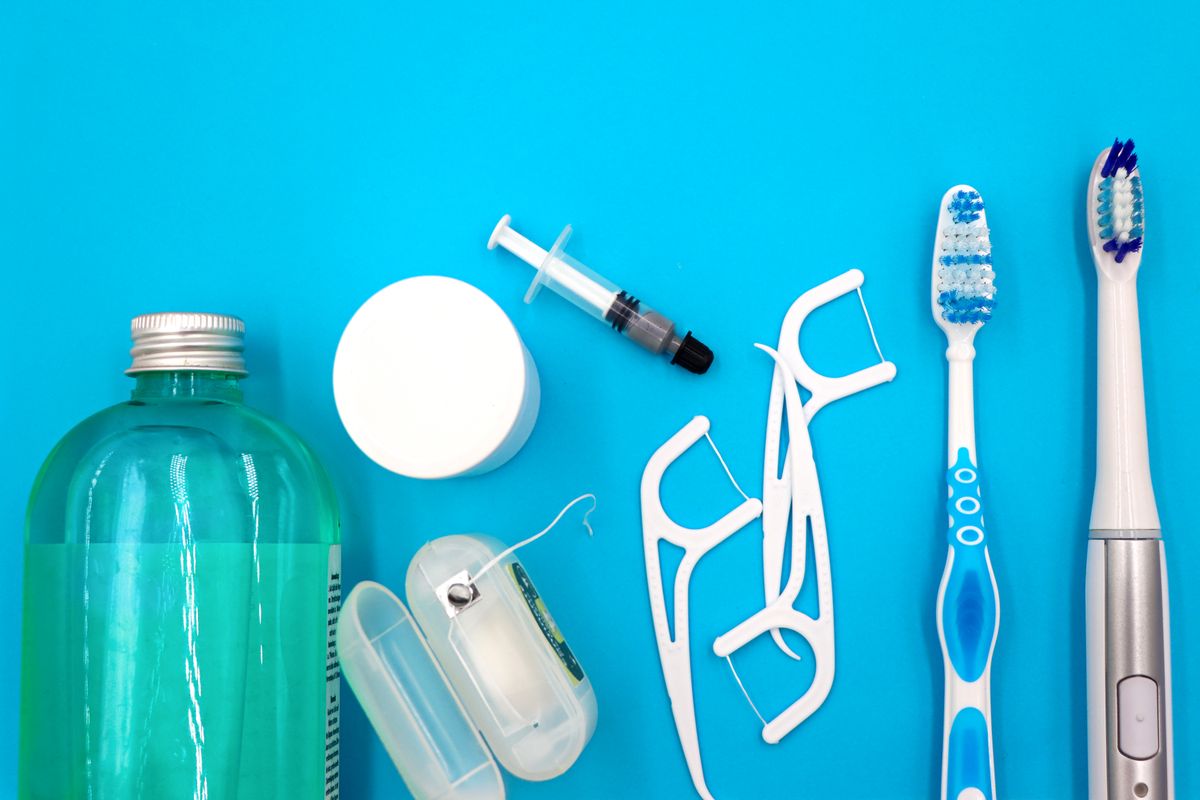
I used to think mouthwash was extra credit. Then I learned that a burning rinse does not automatically mean a healthier mouth. Sometimes it just means alcohol and flavoring.
So what is the honest answer?
Some mouthwashes are useful short term, but daily nuking is not always the gentlest plan.
Antiseptic rinses can reduce bacteria, which helps in specific situations. But your mouth also needs a stable microbiome and enough saliva. Alcohol rinses can feel drying for some people.
The part people usually miss
Use therapeutic rinses for a reason: fluoride for cavities, dentist directed antiseptic for gum treatment, or alcohol free options for breath. Do not use rinse to hide bleeding gums.
My rule is boring and useful: change one thing, watch what happens, and stop if your mouth gets irritated. Teeth respond better to steady habits than to panic routines before weddings, photos, or dentist appointments.
How I would handle it this week
- Take a baseline photo in bathroom lighting you can repeat.
- Keep brushing gentle at the gumline, soft bristles only.
- Do not stack three new products at once, because then you cannot tell what helped or hurt.
Related reading: this guide and this review or article both go deeper on the practical side.